Silage film is a crucial component in modern agriculture, especially for farmers looking to preserve their forage efficiently. In Australia, where agriculture plays a significant role in the economy, understanding the benefits and application of silage film can make a considerable difference in the quality of livestock feed and overall farm productivity. For a premium silage film, check this out.
What is Silage Film?
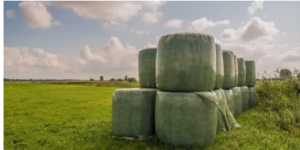 Silage film is a type of plastic wrap used to cover and protect hay, which is fermented, high-moisture fodder used to feed livestock. The primary function of silage film is to create an anaerobic environment, which inhibits the growth of harmful bacteria and moulds, thereby ensuring that the silage remains nutritious and safe for animal consumption.
Why Silage Film is Important for Australian Farmers
Australia’s diverse climate presents unique challenges for farmers, from scorching summer heat to heavy rainfall. Silage film provides an essential protective layer against these environmental factors, preserving the quality of hay regardless of weather conditions. By maintaining the correct moisture level and preventing air exposure, silage film ensures that the forage remains palatable and nutritious.
- Climate Adaptability: Australia’s varied climate means that silage must be well-protected against extreme temperatures and unpredictable weather. Silage film helps shield the silage from heat, rain, and UV rays, preserving its nutritional value and preventing spoilage.
- Extended Storage Life: With the proper silage film, Australian farmers can store silage for extended periods without compromising its quality. It is particularly beneficial during droughts or when feed resources are scarce.
- Improved Feed Quality: Quality silage leads to better livestock health and productivity. Silage film aids in creating optimal fermentation conditions, ensuring that the silage remains rich in essential nutrients.
Types of Silage Film
There are several types of silage film available in the Australian market, each designed to meet specific needs. Here are the most common types:
- Standard Silage Film: This is the most widely used type, known for its durability and effectiveness in preserving silage. It is typically made from low-density polyethylene (LDPE) and is available in various thicknesses.
- High-Density Silage Film: For areas with extreme weather conditions, high-density silage film offers enhanced protection. It is thicker and more resistant to tearing, making it suitable for harsh climates.
- Oxygen Barrier Films: These films are designed to reduce the amount of oxygen that can penetrate the silage, further improving preservation. They are handy for high-quality hay that needs to be stored for extended periods.
- Biodegradable Silage Film: As sustainability becomes increasingly essential, biodegradable silage films are gaining popularity. These films break down naturally, reducing environmental impact and waste.
How to Apply Silage Film Properly
Proper application of silage film is crucial to its effectiveness. Follow these steps to ensure that your hay is well-protected:
- Preparation: Before wrapping, ensure that the hay is packed tightly and evenly. Proper compaction helps eliminate air pockets, which can lead to spoilage.
- Wrap in Layers: Apply the silage film in overlapping layers to ensure complete coverage. It helps to prevent air from entering and keeps the hay well-protected.
- Seal Edges: Ensure that the edges of the film are appropriately sealed to prevent moisture from entering. It can be done using a silage film sealing tape or by overlapping the film layers.
- Regular Inspection: Check the silage regularly for any signs of damage or spoilage. Promptly address any issues to maintain the quality of the feed.
Enhancing Forage Quality with Silage Film in Australia
Silage film is essential for Australian farmers to protect forage from extreme weather and preserve feed quality. By using high-density or biodegradable options, farmers can extend storage life, improve nutrient retention, and support sustainable practices. Proper application ensures optimal preservation, contributing to healthier livestock and efficient farm management.
Conclusion:
Silage film plays a vital role in preserving the quality of forage and ensuring the health and productivity of livestock. For Australian farmers, selecting the right type of silage film and applying it properly can significantly improve feed quality and farm efficiency. By understanding the benefits and best practices associated with silage film, you can optimise your silage storage and contribute to the overall success of your farming operation.