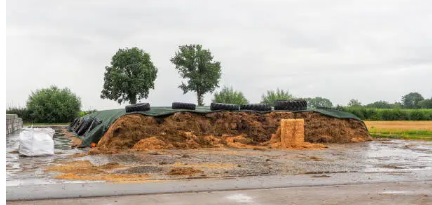
For Australian farmers, maintaining high-quality feed year-round is essential to keeping livestock healthy, productive, and profitable. Many regions across the country experience inconsistent rainfall, high temperatures, and long dry seasons, making reliable feed storage a critical part of farm management. This is where silage covers play a vital role. Designed to protect stored forage from air, moisture, and pests, silage covers help farmers preserve feed quality and reduce wastage. As a result, they have become an indispensable tool for farms of all sizes.
Understanding the Importance of Silage Covers
Farmers rely on silage to store and preserve forage when conditions are favourable so that they can supply feed during lean seasons. However, without proper protection, silage can quickly degrade. Exposure to oxygen leads to spoilage, mould growth, and nutrient loss. Silage covers act as barriers, sealing the stored feed and preventing air from entering, helping maintain the optimal anaerobic conditions required for fermentation.
Across Australia—with its extreme temperatures and unpredictable weather—silage covers offer the stability farmers need. They keep the feed cool, maintain moisture levels, and ensure that the fermentation process proceeds effectively. This not only improves the quality of the feed but also extends its storage life.
Protecting Feed from the Elements
One of the primary reasons farmers use silage covers is to shield their feed from the harsh Australian climate. Intense sunlight, heavy rains, and strong winds can all damage exposed silage. UV rays in particular can break down plastic materials and reduce their durability, which is why high-quality silage covers are designed with UV protection.
A good silage cover protects against:
● Rain infiltration: Excess moisture can cause silage to rot, reducing its nutritional value.
● Wind exposure: Wind can dry out the top layer of silage, making it unusable.
● Temperature fluctuations: Maintaining stable conditions prevents unwanted spoilage processes.
By maintaining a consistent environment within the pit or stack, silage covers help farmers preserve the feed’s energy and protein content, ultimately benefiting livestock health and farm productivity.
Minimising Feed Waste and Financial Loss
Feed spoilage directly impacts a farm’s bottom line. When silage is exposed to air, the top layers often become discoloured, mouldy, and unfit for consumption. Farmers must then remove and dispose of the spoiled sections, resulting in wasted time and money.
Silage covers significantly reduce these losses. The airtight seal limits oxygen exposure, meaning farmers lose less feed to spoilage. This improvement in efficiency ensures that more of the harvested forage can be used throughout the year, helping farmers better manage their resources and reduce unnecessary costs.
In addition, silage covers help maintain the feed’s uniform quality. When livestock consume consistent, high-quality forage, their growth, milk production, and overall performance improve. This creates a cycle of benefits that ultimately enhances farm profitability.
Enhancing Farm Sustainability
Sustainability is becoming a top priority for many Australian farmers, and silage covers support this goal by reducing waste and improving resource management. By protecting stored feed and limiting losses, farmers can maximise the value of every harvest. This reduces the need for frequent replanting and supports better long-term land use.
Additionally, high-quality silage covers are durable and often reusable, helping farmers reduce plastic waste. Some covers are manufactured from recycled materials or designed with recycling in mind, contributing to more environmentally responsible farming practices.
Improving Silage Fermentation and Nutritional Value
A successful silage fermentation process relies on controlled conditions. Silage covers ensure the right environment by sealing the silage tightly and preventing oxygen from disrupting fermentation. This allows beneficial bacteria to thrive and convert sugars into lactic acid, which preserves the forage.
Farmers benefit from silage that:
● Retains more nutrients
● Has better palatability for livestock
● Stores safely over long periods
● Reduces the risk of contamination
High-quality silage leads to better livestock performance, healthier herds, and improved production outputs—whether in dairy, beef, or mixed farming operations.
Supporting Australian Farmers Year-Round
Silage covers provide Australian farmers with peace of mind, knowing their feed is protected no matter the season. Whether dealing with drought, unpredictable weather patterns, or fluctuating feed availability, farmers rely on silage covers to secure high-quality forage for their animals.
As more farms adopt modern storage techniques and higher-efficiency practices, silage covers remain a crucial investment. They help farmers maintain productivity, reduce costs, and ensure livestock have access to nutritious feed year-round.
In a country known for its challenging climate, silage covers truly are the key to preserving feed quality on Australian farms.