Chronic musculoskeletal pain can significantly impact mobility, work productivity, and overall quality of life. For many South Australians, shockwave therapy has emerged as a clinically proven, non-invasive treatment option that promotes healing without surgery or prolonged downtime. Across Adelaide, SA, physiotherapy and sports medicine clinics are increasingly integrating this advanced modality into rehabilitation programs for persistent tendon and soft tissue injuries.
Whether you’re an office professional in the Adelaide CBD, a runner training along the River Torrens, or a weekend footballer competing in suburban leagues, unresolved tendon pain can disrupt your routine. Shockwave therapy offers an evidence-based solution that stimulates tissue repair and accelerates recovery.
What Is Shockwave Therapy?
Shockwave therapy—clinically referred to as extracorporeal shockwave therapy (ESWT)—uses high-energy acoustic waves to target injured or degenerative tissues. These mechanical pulses penetrate the skin and stimulate biological responses at the cellular level.
From a physiological perspective, the treatment works by:
● Increasing local blood circulation
● Stimulating collagen production
● Breaking down calcific deposits
● Promoting tissue regeneration
● Reducing chronic inflammation
Unlike corticosteroid injections, which primarily mask pain, shockwave therapy addresses the underlying pathology of chronic tendon dysfunction. It is especially effective in cases where symptoms have persisted for more than three months and conservative treatments have failed.
Common Conditions Treated in Adelaide Clinics
In Adelaide, shockwave therapy is frequently used to manage a range of chronic musculoskeletal conditions, including:
Plantar Fasciitis
A common issue among runners and hospitality workers who spend long hours standing. Persistent heel pain often responds well to targeted acoustic stimulation.
Achilles Tendinopathy
Popular among athletes in suburbs such as Norwood and Prospect, this overuse injury can become chronic without appropriate intervention.
Tennis Elbow (Lateral Epicondylitis)
Office workers and tradespeople alike experience elbow pain from repetitive strain. Shockwave therapy can help remodel damaged tendon fibres.
Calcific Shoulder Tendinopathy
Calcium deposits in the rotator cuff are particularly responsive to acoustic wave therapy, often reducing the need for surgical removal.
Patellar Tendinopathy
Frequent in basketball and football players across Adelaide’s local sporting clubs.
By targeting these conditions early, Adelaide physiotherapists can help prevent long-term dysfunction and reduce reliance on invasive procedures.
Why Adelaide Residents Are Choosing This Treatment
Adelaide is known for its active outdoor culture—from cycling through the Adelaide Hills to coastal walks in Glenelg. Maintaining mobility is essential for both lifestyle and employment.
Most treatment plans involve three to six sessions spaced one week apart. Clinical studies show significant improvement in pain and function within 6–12 weeks, depending on severity.
Additionally, many Adelaide physiotherapy clinics combine shockwave therapy with strength-based rehabilitation programs. This integrated approach addresses biomechanical imbalances while stimulating tissue repair.
What to Expect During Treatment
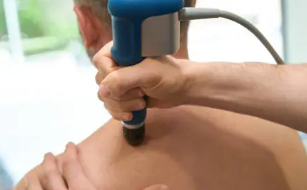
During a session, a clinician applies a handheld device to the affected area using ultrasound gel to enhance transmission. Patients may experience mild discomfort during the procedure, particularly in sensitive areas, but the intensity can be adjusted as needed.
Post-treatment responses vary. Some patients report immediate relief, while others experience mild soreness for 24–48 hours. This reaction is generally considered part of the healing cascade triggered by shockwave therapy.
Importantly, adherence to prescribed rehabilitation exercises significantly improves long-term outcomes. Adelaide practitioners typically provide customised loading programs to complement acoustic stimulation.
Cost Considerations in Adelaide, SA
In Adelaide, the cost per session generally ranges between $90 and $150, depending on the clinic and treatment duration. Some private health insurance policies with physiotherapy extras may offer partial rebates.
While the upfront cost may appear higher than standard physiotherapy sessions, many patients find it cost-effective compared to repeated injections or surgical consultations. Early intervention can also reduce time off work and prevent chronic disability.
Patients are encouraged to consult qualified physiotherapists or sports medicine professionals to determine suitability before commencing therapy.
How It Compares to Other Treatments
Compared to injections, shockwave therapy carries no risk of tendon weakening. Compared to surgery, it avoids anaesthesia, the risks of incision, and prolonged rehabilitation. While PRP may be effective in some cases, it is typically more expensive and involves blood extraction.
Clinical guidelines increasingly support acoustic wave therapy as a first-line intervention for chronic tendinopathies before considering invasive alternatives.
However, it may not be suitable for individuals with certain circulatory disorders, acute fractures, or pregnancy. A comprehensive assessment by a qualified health professional is essential before initiating treatment.
The Future of Musculoskeletal Care in Adelaide
As healthcare in South Australia continues to emphasise evidence-based, minimally invasive interventions, shockwave therapy is becoming a core component of modern physiotherapy practice. Its ability to stimulate biological repair rather than simply suppress symptoms makes it particularly valuable in chronic injury management.
For Adelaide residents seeking long-term relief from tendon and soft tissue pain, this treatment offers a scientifically supported pathway back to movement, performance, and daily comfort. By combining advanced technology with structured rehabilitation, local clinics are helping patients return to the activities that define Adelaide’s vibrant, active community.