In the food storage and logistics industry in Australia, maintaining strict hygiene and safety standards is non-negotiable. One often overlooked yet crucial component of safe cold storage is the food-grade pallet freezer spacer. These simple but effective tools play a vital role in preserving the quality, safety, and integrity of frozen food products. Understanding their importance can help food businesses ensure regulatory compliance, reduce product loss and maintain a consistently high standard of food safety.
What Are Food-Grade Pallet Freezer Spacers?
Food-grade pallet freezer spacers are specially designed plastic inserts placed between layers of stacked products on pallets before they are placed in a blast freezer. Their primary function is to enhance cold air circulation during the freezing process, ensuring that products are frozen evenly and quickly. Unlike standard spacers, food-grade versions are manufactured from non-toxic, durable, and easy-to-clean materials that meet stringent food safety standards.
These spacers are typically made from high-density polyethylene (HDPE) or polypropylene (PP), which are known for their strength, chemical resistance, and compliance with food contact regulations.
The Role of Food-Grade Spacers in Cold Storage
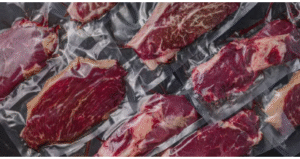 When it comes to freezing perishable goods such as meat, seafood, dairy, and prepared meals, time and temperature are critical. Without proper airflow between stacked items, cold air cannot reach all surfaces evenly, resulting in uneven freezing, which can cause texture degradation, spoilage, and potential bacterial growth.
Benefits of Using Food-Grade Pallet Freezer Spacers
1. Enhanced Food Safety
The primary reason for using food-grade pallet freezer spacers is to protect the integrity and safety of food. These spacers ensure faster and more uniform freezing, which helps minimise the time products spend in the temperature “danger zone” (between 5°C and -5°C), where bacteria can thrive.
2. Improved Airflow and Freezing Efficiency
Cold air circulation is key in blast-freezing environments. By allowing cold air to penetrate every layer of a pallet load, food-grade spacers increase efficiency and reduce the risk of unevenly frozen products. It can result in shorter freezing cycles, lower energy consumption, and improved product quality.
3. Compliance with Food Safety Standards
Food processors, cold storage operators, and logistics companies are required to comply with international food safety regulations, such as HACCP, FDA, and ISO standards. Using food-grade spacers supports compliance with these standards, helping avoid violations and penalties during inspections.
4. Durability and Reusability
Food-grade spacers are designed to withstand harsh freezing conditions and repeated use. Their non-porous surface resists moisture absorption, making them easy to clean and sanitise. This durability not only ensures long-term performance but also supports sustainability by reducing waste from single-use materials.
5. Product Integrity and Reduced Waste
When food products are unevenly frozen, it can lead to freezer burn, discolouration, and texture changes that impact both taste and appearance. In worst-case scenarios, such compromised products must be discarded, leading to financial loss. By enabling consistent freezing, food-grade pallet freezer spacers help maintain product integrity and reduce unnecessary waste.
Key Industries That Benefit
Numerous sectors within the food industry benefit from the use of food-grade pallet freezer spacers:
- Meat and Poultry Processing – Ensures quick and even freezing of cuts to prevent bacterial growth.
- Seafood Industry – Maintains the texture and freshness of delicate fish products.
- Dairy Products – Helps in freezing cheese blocks, butter, and other dairy items uniformly.
- Prepared Meals and Ready-to-Eat Foods – Essential for Consistent Freezing of Bulk Packaged Items.
Choosing the Right Freezer Spacers
When selecting food-grade pallet freezer spacers, consider the following:
- Material: Ensure they are made from FDA-approved food-grade plastic.
- Design: Look for spacers with optimal vent patterns for maximum airflow.
- Size Compatibility: They should fit your pallets and products securely.
- Ease of Cleaning: Smooth surfaces and stackable designs aid in hygiene and storage.
- Durability: Choose spacers that can withstand repeated use in freezing environments.
Conclusion
The use of food-grade spacers is a small investment that yields significant benefits in terms of food safety, operational efficiency, and regulatory compliance. In any facility where frozen food is stored, processed, or transported, these spacers are not just optional accessories—they are essential tools for maintaining product integrity and consumer safety. Prioritising high-quality, food-safe spacers in your cold storage operations is a smart step toward protecting both your brand and your bottom line.