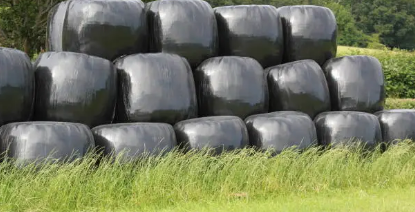
In Australia’s diverse climate and thriving industries, protective net replacement film has become an indispensable material across various sectors. Whether used in agriculture, construction, or residential settings, this innovative film offers a practical solution for enhancing safety, durability, and efficiency.
Understanding Protective Net Replacement Film
Protective net replacement film is a specialised plastic film designed to replace traditional netting materials. It serves as a barrier to protect surfaces, structures, or crops from environmental elements, pests, and mechanical damage.
Key Benefits of Protective Net Replacement Film
Superior Durability and Weather Resistance
Australia’s climate ranges from tropical in the north to temperate in the south, often accompanied by harsh UV exposure, wind, and rain. Protective net replacement films are manufactured with UV-resistant additives that prevent degradation, extending the lifespan of the product far beyond conventional nets.
Lightweight and Easy Installation
Compared to bulky mesh nets, protective net replacement films are remarkably light, allowing for quicker installation and less labour intensity. This feature is particularly beneficial in large-scale agricultural or construction projects where time and workforce are critical.
Enhanced Protection and Safety
Protective net replacement film offers a continuous barrier without gaps, unlike netting, which can have openings that pests or debris might penetrate. It makes it highly effective in preventing insect infestations, bird intrusions, or dust contamination, safeguarding crops or sensitive construction materials.
Cost-Effectiveness Over Time
While initial costs may be higher than traditional netting, the longevity, reduced maintenance, and improved protection of protective net replacement film translate into cost savings in the long run. Fewer replacements and less damage mean better overall value.
Popular Applications Across Australian Industries
Agriculture and Horticulture
In Australian farming, protecting crops from pests and environmental stressors is vital for maximising yield and quality. Protective net replacement film is used in greenhouses, nurseries, and orchard covers to create controlled environments. The film helps regulate temperature and humidity while blocking harmful UV rays and pests, ensuring healthy plant growth.
Construction and Building Sites
Dust control and site safety are major concerns on construction projects. Protective net replacement films act as dust barriers and wind screens, reducing airborne particles and improving on-site air quality. They also prevent debris from escaping the site, protecting workers and the surrounding community.
Residential and Commercial Use
Homeowners and businesses use protective net replacement film for window coverings, patio enclosures, and outdoor furniture protection. The film blocks UV rays, prevents insect entry, and enhances privacy without sacrificing natural light.
Aquaculture and Fisheries
Australian aquaculture farms utilise protective net replacement film to safeguard fish stocks from predators and external pollutants. The film’s durability and resistance to saltwater environments make it an ideal choice for long-term marine applications.
How to Choose the Right Protective Net Replacement Film
Assessing Material Quality
Quality is paramount when selecting protective net replacement film. Look for films made from high-density polyethylene (HDPE) or similar materials known for toughness and UV resistance. Check product certifications and warranty details to ensure compliance with Australian safety and environmental standards.
Thickness and Strength Requirements
The thickness of the film affects its durability and application suitability. Thicker films offer more protection but may be less flexible. For agricultural uses, a balance between thickness and flexibility is essential. Construction projects may require heavier-duty films that resist tearing under mechanical stress.
UV Stabilisation and Weatherproofing
Australia’s strong sunlight means UV protection is critical. Choose films explicitly treated with UV stabilisers to prevent premature aging and brittleness. Weatherproofing features like water resistance and wind tolerance also enhance the film’s performance.
Size and Customisation Options
Protective net replacement films come in rolls or sheets of varying sizes. Measure the area requiring coverage accurately and consider ordering custom sizes or pre-cut sections to minimise waste and simplify installation.
Environmental Impact and Recyclability
Sustainability is a growing concern. Many Australian suppliers now offer eco-friendly protective net replacement films made from recyclable or biodegradable materials. Choosing environmentally responsible options supports green initiatives without compromising performance.
Conclusion:
Protective net replacement film is an essential material for many Australian sectors, offering enhanced durability, safety, and cost-effectiveness. Its versatility across agriculture, construction, residential, and marine environments makes it a wise investment for long-term protection.
By understanding the benefits, applications, and key factors to consider when selecting protective net replacement film, individuals and businesses can make informed decisions that align with their operational needs and environmental conditions.