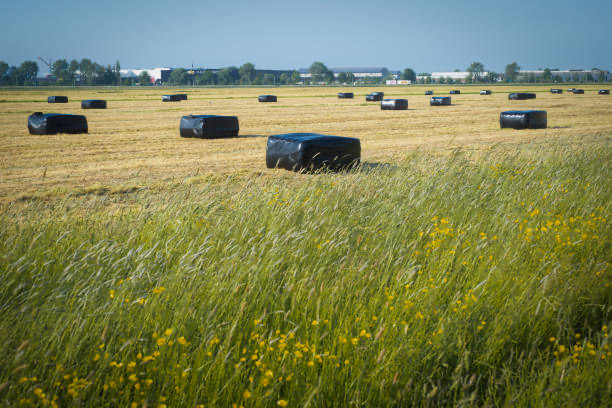
In the demanding environment of Australian agriculture, the right handling and storage of bale wrap is crucial to ensure its durability and effectiveness. Bale wrap plays a crucial role in protecting silage and hay bales from weather damage, preserving feed quality, and minimising waste. However, Australia’s diverse and often harsh climatic conditions—from the blistering heat of the outback to the wet, humid coastal regions—pose significant challenges for farmers aiming to maintain bale wrap integrity. This article provides professional, practical storage tips designed specifically for Australian farmers who want to maximise the lifespan and performance of their bale wrap.
Understanding the Importance of Proper Bale Wrap Storage
Bale wrap is a specialised plastic film designed to create airtight seals around forage bales. This airtight environment is vital for fermentation and preservation, preventing mould and spoilage. If bale wrap is stored improperly, exposure to UV rays, temperature extremes, and physical damage can degrade the plastic, causing it to lose elasticity and strength. This degradation not only reduces the wrap’s ability to protect bales but can also lead to costly feed losses.
Australian farmers must therefore prioritise optimal storage conditions to preserve the quality of bale wrap and protect their feed investments. Considering the regional climate variations—from the arid zones of Western Australia to the subtropical regions of Queensland—tailoring storage methods is key.
Store Bale Wrap Away from Direct Sunlight
One of the primary enemies of bale wrap is ultraviolet (UV) radiation from the sun. Australian sunlight is notoriously intense, with UV levels often higher than in many other parts of the world. Prolonged exposure to sunlight causes the plastic wrap to weaken and become brittle.
To combat this, store bale wrap in a shaded, covered area such as a shed or barn. If indoor storage is unavailable, consider using UV-resistant tarps or covers designed specifically for agricultural materials. Ensure the wrap is raised off the ground on pallets or racks to prevent moisture buildup from below, which can accelerate degradation.
Maintain Stable Temperatures for Longer Shelf Life
Australian farming regions can experience extreme temperature fluctuations between day and night, especially in inland areas. These swings can affect the physical properties of bale wrap, making it less flexible and more prone to cracking during application.
Farmers should aim to store bale wrap in areas where temperature changes are minimised. Indoor storage spaces with some climate control are ideal. In more remote or open areas, insulating wraps with breathable covers can help moderate temperature swings and protect the plastic’s integrity.
Protect Bale Wrap Rolls from Physical Damage
Physical damage to bale wrap rolls can compromise their usability. Tears, punctures, and abrasions reduce the film’s effectiveness in sealing bales, leading to spoilage risks.
In Australian farmyards, bale wrap can easily be damaged by sharp tools, rough handling, or exposure to farm machinery traffic. To prevent this, store rolls off the ground on dedicated racks or pallets, clearly separated from heavy equipment pathways. Label storage areas to remind workers of the importance of careful handling.
Avoid Moisture Exposure to Prevent Mould and Mildew
Although bale wrap itself is waterproof, excess moisture in storage areas can create mould or mildew issues on the outer layers, complicating handling and application.
In Australia’s wetter coastal regions, consider storing bale wrap in ventilated, covered spaces that allow airflow to prevent condensation buildup. Avoid placing rolls directly on damp surfaces and regularly inspect stored bale wrap for signs of moisture-related damage.
Rotate Bale Wrap Stock Regularly
Australian farmers often purchase bale wrap in bulk to reduce costs and avoid frequent restocking trips. However, long-term storage can negatively affect the wrap’s performance if not managed correctly.
Implement a first-in, first-out (FIFO) rotation system to ensure older bale wrap is used before newer stock. This practice helps prevent prolonged exposure to environmental stressors and guarantees that the freshest, most effective wrap is used for critical harvest periods.
Invest in Quality Bale Wrap from Trusted Suppliers
The extreme conditions of Australian agriculture demand high-quality bale wrap that can withstand UV exposure, temperature extremes, and rough handling. Investing in durable, UV-stabilised bale wrap reduces the need for excessive storage precautions and lowers the risk of spoilage.
Seek suppliers who offer bale wrap designed specifically for Australian conditions, with proven resistance to UV degradation and superior stretchability. High-quality wrap may cost more upfront but delivers greater value through reduced feed waste and easier handling.
Summary: Maximising Bale Wrap Longevity in Australia
In summary, Australian farmers face unique challenges in storing bale wrap due to the continent’s harsh and varied climate. By storing bale wrap away from direct sunlight, maintaining stable temperatures, protecting rolls from physical damage, avoiding moisture buildup, rotating stock regularly, and investing in quality products, farmers can significantly extend the usable life of bale wrap.
These storage best practices help ensure that the bale wrap performs optimally during the critical silage season, ultimately safeguarding feed quality and supporting sustainable farm productivity in Australia’s tough agricultural environments. Proper bale wrap storage isn’t just a small detail — it’s a smart investment in farm efficiency and profitability.
If you’re an Australian farmer looking to improve your bale wrap storage techniques or want advice on choosing the right products for your region, consulting local agricultural suppliers and extension services can provide tailored guidance. With the right approach, bale wrap will remain a dependable ally in managing high-quality forage through every season.