Bale wrap is a vital agricultural product in Australia, particularly for livestock and dairy farmers seeking to preserve the nutritional value of their silage and hay. With unpredictable weather conditions and increasing demand for high-quality forage, using the right bale wrap has become essential in modern farming.
In this article, we explore the benefits, types, and considerations for choosing bale wrap in Australia, offering practical advice to help farmers make informed decisions. For quality bale wrap, click here.
What Is Bale Wrap?
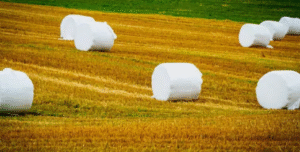 Bale wrap is a stretchable, durable plastic film used to seal forage bales, such as hay or silage, in an airtight environment. By wrapping bales in layers of this specialised film, farmers can ferment and store forage for extended periods while maintaining its moisture, nutrient content, and overall quality. The Wrap also protects the bales from external elements such as rain, UV radiation, and pests.
The Importance of Bale Wrap in Australian Agriculture
Australia’s diverse climate—from tropical to temperate and arid regions—poses unique challenges for forage preservation. Whether it’s combating excessive rainfall or protecting bales from intense UV exposure, bale wrap helps mitigate the risks of spoilage and waste. As a result, farmers across the country rely on high-quality bale wrap to:
- Minimise forage loss due to spoilage
- Improve silage fermentation by creating anaerobic conditions
- Extend storage duration without compromising feed quality
- Protect feed from pests and weather conditions
With growing pressures on farm productivity and sustainability, investing in the right bale wrap is a cost-effective solution that will provide long-term benefits.
Types of Bale Wrap Available in Australia
Farmers in Australia have access to a variety of bale wrap products, each tailored to specific farming needs. The most common types include:
Silage Wrap
This film, typically multi-layered and UV-resistant, is explicitly designed for wrapping silage bales. It ensures a tight seal that promotes effective fermentation.
Net Replacement Film
Also known as film-on-film (FOF), this option replaces traditional netting and offers improved oxygen barrier properties. It reduces bale deformation and enhances wrap integrity during handling.
Stretch Film
Highly elastic, this Wrap is ideal for ensuring consistent coverage over bales. Stretch film typically comes in various gauges and is compatible with most bale-wrapping machines.
Biodegradable Bale Wrap
An emerging option in the market, biodegradable wrap is environmentally friendly and breaks down naturally after disposal, helping farms reduce their environmental impact.
Key Features to Look for in Quality Bale Wrap
Choosing the right bale wrap in Australia involves more than just price. Here are the key features to consider:
- UV Resistance: With Australia’s high UV index, a wrap with potent UV inhibitors is crucial for long-term durability and protection.
- Puncture Resistance: Sharp stems or rough handling can compromise the seal. A high puncture-resistant film reduces the risk of oxygen infiltration.
- Stretch and Cling: The Wrap must maintain elasticity while adhering tightly to itself, ensuring an airtight seal.
- Oxygen Barrier: A low oxygen transmission rate is essential for optimal silage fermentation and feed preservation.
- Compatibility: Ensure the Wrap is compatible with your bale wrapping equipment to avoid operational issues.
Benefits of Using High-Quality Bale Wrap
Investing in premium bale wrap offers several tangible benefits for Australian farmers:
- Enhanced Feed Quality: Proper wrapping maintains protein levels and energy content in silage.
- Reduced Waste: A tight seal minimises mould growth and spoilage.
- Operational Efficiency: Durable, easy-to-use wrap speeds up baling processes and reduces machine downtime.
- Improved Animal Health: High-quality forage supports better digestion, increased milk yields, and overall livestock performance.
- Environmental Protection: Newer technologies, such as recyclable or biodegradable wraps, align with sustainable farming practices.
Conclusion:
Bale wrap is a critical investment for Australian farmers aiming to maximise feed quality and reduce waste. Whether you’re managing a large-scale dairy operation or a mixed-use farm, selecting the right bale wrap can significantly impact your bottom line. With a wide range of options and advances in film technology, Australian producers are well-positioned to benefit from durable, efficient, and eco-friendly bale wrap solutions.
Bale wrap is a wise, strategic choice if you want to protect your forage and enhance your farm’s productivity.