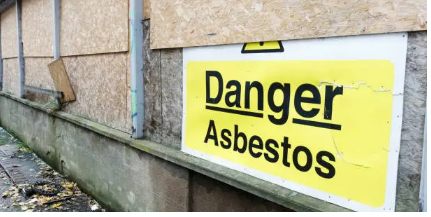
If you own, manage, or plan to renovate a property built before 1990, scheduling an asbestos inspection Adelaide service should be a priority. Many residential, commercial, and industrial buildings across Adelaide were constructed using asbestos-containing materials (ACMs), particularly before the nationwide ban in 2003. A professional asbestos inspection Adelaide process ensures your property complies with South Australian safety laws while protecting occupants from serious health risks such as mesothelioma, asbestosis, and lung cancer.
Below is a comprehensive, step-by-step breakdown of how the asbestos inspection process works in Adelaide, SA.
Step 1: Initial Consultation and Site Assessment
The process begins with an initial consultation. A licensed asbestos assessor will gather critical information about the property, including:
● Year of construction
● Previous renovations or demolitions
● Building type (residential, commercial, industrial)
● Planned works (if applicable)
In Adelaide, properties built before 1990 are considered high risk. The assessor will explain legal obligations under the Work Health and Safety Act 2012 (SA) and SafeWork SA guidelines. For commercial properties, an asbestos register may be legally required.
Step 2: Visual Inspection of Suspected Materials
Once on-site, the assessor conducts a thorough visual examination of all accessible areas. This includes:
● Roofing sheets and gutters
● Eaves and soffits
● Wall cladding and internal sheeting
● Vinyl floor tiles and adhesives
● Fencing materials
● Insulation around pipes or hot water systems
In many Adelaide suburbs—such as older areas like Glenelg, Norwood, and Port Adelaide—fibro sheeting was widely used. However, visual inspection alone cannot confirm the presence of asbestos. Materials that appear harmless may still contain fibres.
This stage of the asbestos inspection Adelaide process focuses on identifying materials that are likely to contain asbestos based on age, texture, and installation patterns.
Step 3: Controlled Sample Collection
If suspected ACMs are identified, the assessor will carefully collect small samples for laboratory testing. This step must follow strict safety protocols to prevent fibre release.
The procedure typically involves:
● Wearing personal protective equipment (PPE)
● Lightly wetting the material to minimise airborne fibres
● Extracting a small sample
● Sealing the area temporarily
● Placing the sample in an airtight, labelled container
Sampling is conducted in accordance with Australian standards to ensure safety and compliance. It is important that homeowners do not attempt to collect samples themselves, as improper handling can expose occupants to harmful airborne fibres.
Step 4: Laboratory Testing and Analysis
Collected samples are sent to a NATA-accredited laboratory for analysis. Testing commonly uses polarised light microscopy (PLM) to determine:
● Whether asbestos is present
● The type of asbestos (e.g., chrysotile, amosite, crocidolite)
● The percentage content within the material
Results are typically available within a few business days. This scientific verification is a crucial part of the asbestos inspection in Adelaide workflow, as visual assumptions alone are insufficient for legal or safety decisions.
Step 5: Risk Assessment
After laboratory confirmation, the assessor evaluates the condition and risk level of any identified asbestos-containing materials. Factors considered include:
● Material condition (intact, cracked, friable)
● Location within the property
● Likelihood of disturbance
● Exposure risk to occupants
Friable asbestos—materials that can be crumbled by hand—poses a significantly higher health risk than bonded asbestos products like fibro sheeting. In Adelaide’s climate, aging materials exposed to heat and moisture may deteriorate over time, increasing risk.
Step 6: Detailed Inspection Report
For commercial buildings in South Australia, this report may form part of a legally required asbestos register. The documentation is especially important before renovation or demolition work, as contractors must be informed of asbestos risks before commencing work.
A formal asbestos inspection Adelaide report also protects property owners from potential liability and ensures compliance with local workplace health and safety regulations.
Step 7: Management Plan or Removal Recommendations
If asbestos is confirmed, the next step depends on its condition and risk level. In many Adelaide homes, asbestos materials remain safe if left intact and undisturbed. In such cases, an asbestos management plan may be sufficient.
However, if renovation, demolition, or damage is involved, removal by a licensed asbestos removalist may be required. SafeWork SA mandates that certain quantities and types of asbestos must only be handled by licensed professionals.
Never attempt DIY removal, as improper handling can contaminate the entire property.
When Is an Asbestos Inspection Required in Adelaide?
Adelaide’s housing stock includes many mid-20th-century homes that used asbestos in construction materials. Identifying risks early prevents costly delays and protects occupants’ health.
Why Professional Inspection Matters
Because asbestos fibres are microscopic and invisible to the naked eye, professional assessment is the only reliable method for confirmation.
Final Thoughts
Understanding the step-by-step asbestos inspection process empowers Adelaide property owners to make informed decisions. From initial consultation and visual checks to laboratory analysis and risk reporting, each stage plays a critical role in ensuring safety and compliance.
If your home or commercial building was constructed before the 1990s, arranging a professional asbestos inspection Adelaide service is a proactive investment in health, legal protection, and peace of mind. Acting early minimises risk and ensures your property remains safe for occupants now and into the future.