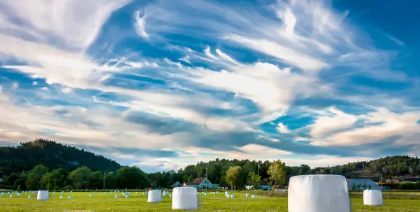
Australia’s agricultural sector operates under some of the world’s toughest environmental conditions, making reliable feed storage a critical priority. Silage plastic plays a central role in preserving fodder quality, particularly for livestock producers dealing with unpredictable weather patterns, intense UV radiation, and fluctuating temperatures. By providing an airtight seal and durable protection, silage plastic helps farmers maintain consistent feed supplies throughout the year.
The Importance of Silage Storage in Australia
From the dairy regions of Victoria to the beef operations in Queensland and New South Wales, Australian farmers rely heavily on silage to sustain livestock during dry seasons. However, without proper storage, silage can quickly deteriorate due to oxygen exposure, moisture imbalance, and microbial activity. This is where high-quality silage plastic becomes indispensable.
In Australia’s climate, where heat and sunlight can rapidly degrade materials, standard plastic solutions often fall short. Modern silage wraps and covers are engineered to resist UV damage and maintain structural integrity over extended periods. These features are essential for ensuring that stored feed retains its nutritional value, even under prolonged exposure to harsh conditions.
Climate-Smart Innovations in Silage Plastic
Technological advancements have significantly improved the performance of silage plastic products available in Australia. One of the most important developments is the incorporation of UV stabilisers, which protect the plastic from breaking down under intense sunlight. This is particularly beneficial in northern regions, where UV levels are among the highest globally.
Another innovation is the use of multi-layer films that enhance strength and flexibility. These layers work together to create a tighter seal, reducing oxygen infiltration and minimising spoilage. Additionally, oxygen barrier technology has become increasingly popular, offering superior protection by limiting the amount of air that can penetrate the silage wrap.
These climate-smart solutions allow Australian farmers to optimise feed preservation, reduce waste, and improve overall farm productivity. By investing in advanced silage plastic, producers can better manage seasonal variability and ensure consistent livestock performance.
Economic Benefits for Australian Farmers
Efficient silage storage directly impacts farm profitability. Poor-quality silage can lead to reduced animal health, lower milk yields, and slower weight gain. In contrast, well-preserved silage supports optimal nutrition and productivity.
Using high-performance silage plastic reduces the risk of spoilage, which can account for significant financial losses if not managed properly. By maintaining airtight conditions and protecting against environmental damage, farmers can maximise the return on their feed investment.
Moreover, durable silage wraps require fewer replacements, lowering long-term operational costs. This is especially important in large-scale farming operations, where the volume of stored silage is substantial. The cost savings associated with reduced waste and improved efficiency make silage plastic a valuable asset for Australian agriculture.
Environmental Considerations and Sustainability
Sustainability is an increasing focus within Australia’s farming community, and the use of silage plastic is evolving to meet these expectations. While plastic waste has long been a concern, industry initiatives are addressing it through recycling programs and the development of eco-friendly materials.
Many regions in Australia now offer agricultural plastic recycling schemes, allowing farmers to dispose of used silage wraps responsibly. In addition, manufacturers are exploring biodegradable and recyclable alternatives that maintain performance while reducing environmental impact.
By adopting sustainable practices, farmers can continue to benefit from silage plastic’s protective qualities while minimising their ecological footprint. This balance is crucial as the agricultural sector works toward long-term environmental goals.
Best Practices for Using Silage Plastic
To maximise the effectiveness of silage plastic, proper application and handling are essential. Farmers should ensure that silage is packed tightly to eliminate air pockets before wrapping. Consistent layering and adequate overlap are also critical for maintaining an airtight seal.
It is equally important to inspect plastic covers regularly for damage. Even small punctures can allow oxygen to enter, leading to spoilage. Prompt repairs can prevent larger issues and extend the lifespan of the wrap.
Storage location also affects performance. Whenever possible, silage should be stored in areas protected from sharp objects, pests, and excessive wind exposure. These precautions help preserve the integrity of the plastic and ensure optimal results.
Supporting Resilient Farming Systems
As climate variability continues to challenge Australian agriculture, reliable feed storage solutions are more important than ever. Silage plastic provides a practical and effective way to safeguard fodder, enabling farmers to maintain productivity despite environmental uncertainties.
By combining advanced materials with proper management practices, Australian producers can enhance the resilience of their operations. The ability to store high-quality feed year-round supports livestock health, stabilises production, and contributes to overall farm sustainability.
Conclusion
Silage plastic has become an essential component of modern farming in Australia, offering durable and climate-adapted solutions for feed preservation. With innovations such as UV protection and oxygen barriers, it addresses the unique challenges posed by the country’s harsh conditions.
For Australian farmers seeking to improve efficiency and reduce waste, investing in high-quality silage plastic is a strategic decision. As the industry continues to evolve, these solutions will remain vital in supporting a productive, sustainable, and resilient agricultural future.