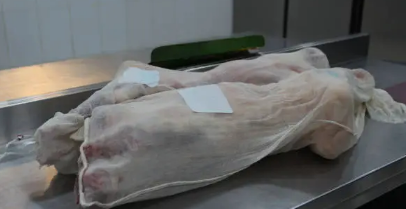
In Australia, businesses across the agriculture, horticulture, and seafood industries are increasingly turning to stockinette bags as a reliable, cost-effective packaging solution. These versatile mesh bags are ideal for storing, transporting, and displaying a wide range of products, from onions and potatoes to seafood and other perishables. Lightweight, durable, and breathable, stockinette bags are designed to maintain product quality while offering a sustainable alternative to traditional packaging materials. For Australian companies looking to enhance operational efficiency and reduce waste, investing in high-quality stockinette bags is a practical, environmentally conscious choice.
Why Australian Businesses Prefer Stockinette Bags
Their adaptability and efficiency drive the growing popularity of stockinette bags in Australia. Agricultural producers, for instance, rely on these bags to transport root vegetables such as potatoes and onions. The breathable mesh design prevents moisture accumulation, reducing the risk of spoilage and ensuring that products reach markets in optimal condition. Similarly, seafood suppliers use stockinette bags to store and transport shellfish, prawns, and other perishable items, as the bags provide excellent ventilation while remaining strong enough to handle heavy loads.
Additionally, stockinette bags are reusable, easy to handle, and cost-effective, making them an attractive option for both small and large Australian businesses. By reducing packaging waste and lowering operational costs, these bags contribute to more sustainable business practices, aligning with Australia’s ongoing commitment to environmental responsibility.
Applications Across Industries
In the horticulture sector, stockinette bags are widely used for packaging fruits such as citrus, apples, and potatoes. Their flexible design allows the bags to accommodate a range of shapes and sizes while protecting the produce from damage during transit. For Australian farmers and distributors, this means higher-quality products and fewer losses due to bruising or spoilage.
The seafood industry also benefits from the strength and breathability of stockinette bags.
Australian seafood exporters often rely on these bags for packing shellfish and other marine products. The mesh construction allows proper airflow, helping maintain freshness and extending shelf life. Moreover, stockinette bags make it easier for suppliers to comply with Australian food safety standards, as they are easy to clean and sanitise before each use.
Even in industrial applications, stockinette bags offer practical solutions. Many manufacturers use them to store parts, tools, and lightweight materials, demonstrating the versatility of these packaging products. In every scenario, the advantages of stockinette bags—durability, flexibility, and cost efficiency—remain consistent.
Choosing the Right Stockinette Bags in Australia
Selecting the right stockinette bags is crucial to maximising their benefits. Australian businesses should consider factors such as bag size, mesh density, material strength, and colour when choosing stockinette bags. For example, finer mesh bags are suitable for smaller fruits and vegetables, while heavier-duty bags are better for bulkier items. Additionally, suppliers across Australia often provide customised options, allowing businesses to brand the bags with logos or colour codes for easy identification.
It is also important to source stockinette bags from reputable Australian suppliers. Local suppliers can offer advice on the best bag types for specific applications, ensure compliance with Australian safety and environmental regulations, and deliver faster than international alternatives. This local sourcing not only reduces lead times but also supports the Australian economy and promotes sustainable business practices.
Environmental Benefits
With sustainability becoming a priority for Australian industries, stockinette bags are increasingly seen as an eco-friendly alternative to plastic packaging. Many bags are made from recyclable materials and are reusable, reducing the overall environmental footprint of packaging operations. Businesses that adopt stockinette bags contribute to waste reduction and align with consumer demand for greener products, particularly in sectors like agriculture and seafood, where environmental responsibility is highly valued.
Conclusion
Stockinette bags have established themselves as an essential packaging solution for Australian businesses across agriculture, horticulture, and seafood industries. Their durability, breathability, and flexibility make them ideal for transporting a wide range of perishable goods while reducing waste and operational costs. By choosing locally sourced stockinette bags, Australian businesses not only gain a reliable packaging solution but also support sustainable practices and compliance with national standards.
As more Australian companies recognise the benefits of these versatile bags, stockinette bags are set to remain a staple in the country’s packaging landscape, helping industries operate more efficiently and sustainably. Whether for fruit, vegetables, seafood, or industrial materials, stockinette bags offer unmatched practicality, affordability, and environmental advantages for businesses across Australia.