Packing boxes play a pivotal role in both residential and commercial settings across New Zealand. From helping families relocate smoothly to supporting businesses in organising, storing, and shipping products, the right packing solutions can make a significant difference in efficiency, safety, and cost-effectiveness. In today’s fast-paced world, Kiwis are increasingly prioritising not just functionality but sustainability, customisation, and smart logistics in their choice of packing boxes.
This article examines the evolving landscape of packaging boxes in New Zealand, providing insights into the latest trends, applications, and best practices.
The Vital Role of Packing Boxes in Kiwi Lifestyles
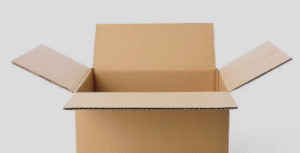 Whether you’re a homeowner preparing for a move from Auckland to Christchurch or a business exporting goods overseas, packing boxes are indispensable. Their primary function—protecting and containing items—remains unchanged, but their design, materials, and applications have undergone dramatic diversification over the past decade.
In residential settings, packing boxes are essential for secure transport during relocations. With New Zealand’s geographically spread-out population and active real estate market, the demand for quality moving boxes remains strong. Likewise, businesses use packing boxes for inventory management, product delivery, and secure archiving.
Choosing the Right Packing Boxes: Materials and Types
The first consideration when selecting packing boxes is the material. In New Zealand, cardboard remains the most widely used due to its affordability, strength, and environmental friendliness. However, advancements have also introduced plastic containers and biodegradable options for more specific needs.
Common types of packing boxes available in NZ include:
- Single-wall cardboard boxes: Ideal for lightweight items and short-term storage.
- Double-wall cardboard boxes: Offer extra durability for heavy or fragile goods.
- Archive boxes: Used extensively in offices and educational institutions for filing documents.
- Plastic packing boxes: Suitable for long-term storage or areas prone to moisture.
- E-commerce businesses often use custom-printed boxes for branding purposes.
Choosing the right type ensures both safety and efficiency, especially when moving or shipping over long distances—something particularly relevant in a country with widely varying terrains, such as New Zealand.
The Impact of E-commerce on Packing Box Innovation
The rapid growth of e-commerce in New Zealand has led to significant innovation in packaging boxes. Online retailers demand packaging that is not only robust but also cost-effective and attractive. Packaging must strike a balance between durability and presentation, and packing boxes are increasingly designed to enhance the unboxing experience for customers.
This trend has led to a rise in demand for custom-designed packing boxes that reflect brand identity while being eco-conscious. Local companies now offer a range of services, from laser-cut inserts to recyclable ink printing, ensuring that New Zealand’s online retailers remain competitive on a global scale.
Sustainable Packing Solutions: Meeting the Kiwi Standard
Sustainability is a growing priority for both businesses and consumers in New Zealand. As the country continues to advance its environmental goals, the demand for recyclable and compostable packing boxes has surged.
New Zealand-based packaging suppliers are investing in FSC-certified cardboard, water-based adhesives, and plant-based printing inks to minimise environmental impact. Businesses are also implementing circular packaging systems, encouraging customers to return used packing boxes for reuse or recycling.
Many Kiwis are willing to pay a premium for sustainable packaging, making it not only a responsible choice but also a smart business strategy.
Packing Boxes for the Moving Industry
New Zealand’s vibrant and dynamic industry—driven by internal migration, university relocations, and lifestyle changes—relies heavily on efficient packing boxes. Removal companies and moving services offer pre-packaged box kits suited for households of various sizes, including specialty boxes for fragile items like dishes, electronics, and glassware.
Proper labelling and stacking protocols, combined with box strength, ensure a damage-free transition. Companies also provide rental packing boxes, as well as exceptionally durable plastic crates, as a sustainable alternative to disposable cardboard.
Conclusion:
Packing boxes in New Zealand are more than just containers—they are an integral part of how we move, store, deliver, and organise. Whether you’re a business scaling nationwide distribution or a family relocating across islands, the right packing solution makes all the difference.
As consumer expectations rise and sustainability becomes non-negotiable, innovation in packing boxes is driving the industry forward. With more innovative materials, improved designs, and eco-conscious practices, New Zealand is at the forefront of packaging solutions that benefit people, the planet, and productivity.