Bathroom renovations are a popular home improvement you can do yourself, but it requires considerable planning and meticulous attention to detail.
Making poor choices could prove more costly in the long run, so be sure to plan everything thoroughly and remain committed as your renovation moves forward.
Updating the Walls and Flooring
If you want to update your bathroom without breaking the bank, paint and tile touch-ups are an ideal starting point. They are quick and easy to do, making your space appear much more significant and brighter.
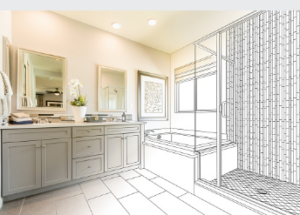 When selecting materials for indoor applications, choosing materials that can withstand high water volumes is essential. For instance, when installing tile on the floor, opt for one with a waterproof finish; this helps prevent mould growth and minimises moisture-induced damage.
Before you begin bathroom renovations Canberra, planning out your project and estimating costs is wise. After that, decide whether you can handle all the work yourself or hire a contractor.
When hiring a bathroom renovations Canberra contractor, you must find an experienced professional with a valid license. Be sure to research local municipality licensing regulations for more information.
Your contractor should also be able to give you estimates for any materials necessary for your bathroom remodel. Doing this helps control renovation costs and guarantees you don’t run out of funds before completion.
Once your bathroom has a fresh look, it will be ready for your family to enjoy. However, while remodelling a bathroom can be fun and rewarding, you must know what to expect and budget accordingly.
Fixing Leaks and Cracks
One of the biggest problems during bathroom renovations Canberra is water leaks. Not only are these inconvenient, but they can also cause extensive damage to flooring, walls and ceilings if left unchecked. If left untreated, these leaks become significant problems requiring costly repairs.
Shower grout is often the cause of bathroom leaks due to its tendency to crack over time. It can occur for various reasons, such as movement in the house and tiles within the shower, using incorrect grout, and simply getting older.
It’s wise to have an experienced bathroom contractor inspect any cracks in your toilet bowl to ensure they can be fixed and won’t need replacement. Doing this will save you money in the long run since they can properly fix it without needing an expensive replacement.
Once the crack has been filled, it is wise to paint over it with a durable sealant to ensure the work is permanent. Doing this can prevent the future reoccurrence of the issue.
A leak beneath the slab of your house is another major issue that can wreak havoc on its structure. When water seeps beneath the concrete slab, it causes soil erosion and causes the foundation of your home to deteriorate.
Replacing Walls or Ceilings
Many bathrooms remodels involve replacing walls and ceilings. In this project, existing plaster or drywall is removed and returned with modern materials at a significant cost-saving expense that could significantly raise your home’s value.
Replacing the walls or ceilings in a bathroom is an excellent way to modernise its appearance and increase the value of your home. But before you begin, select the appropriate materials for the job.
If you don’t have extensive expertise in remodelling and plumbing, it’s best to leave the work to professionals. They will ensure your new walls or ceilings are secure and sound.
A professional is more likely to know how to install wall panels properly and re-seal drywall joints, helping prevent future leaks or water damage.
Bathroom walls should be made of drywall coated in a special coating to prevent mould growth. This coating can be applied using a sprayer and is typically available at most home improvement stores.
Another option for bathroom wall panels is Purple Board from National Gypsum, a product constructed with a mould and moisture-resistant fibreglass mat. This material is much cheaper than drywall and will prevent decay from growing in your bathroom.
You could also opt for cement board instead of drywall when creating your shower or tub wall. This panel type is much simpler to install than drywall and will prevent mould from growing.